


For many homeowners, heating and cooling costs make up nearly half of annual energy costs for the year. Even though the initial cost of replacing your central AC system might be high, you could ultimately end up saving up to 20-30% on your monthly heating and cooling costs by replacing an old system with a new, higher efficiency system.
When is it time to replace your AC?
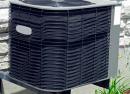
Generally, once your air conditioning system has passed 10 years old, it becomes more likely that a replacement might become necessary or at least be a good decision from an efficiency perspective, especially for units that have not received routine maintenance. If your system has needed frequent repairs or new parts over the last year or so, or if your energy bills have been slowly climbing year over year, these might be other indications that it is time to shop for a new system. Maintenance of any central air conditioning system is important. Ideally, every two or three years you should have your AC unit inspected as well as cleaned and tuned to keep it running efficiently (read: to keep costs low). Refrigerant may need to be recharged, and reduced air flow rates over the coil can cause reduced efficiency. Simply taking care of these maintenance issues can ensure a full lifetime of efficiency for your AC equipment.
Creating a budget
The first important thing to consider is your budget. Air conditioning systems are one of those unique purchases where spending more up front will mean spending less on a month to month basis, at least up to a certain point. Higher efficiency systems will cost more, but you could see your monthly energy bills decrease by up to 20-30%.
How much will you save?
You can get a general idea by comparing the energy efficiency ratings of your old air conditioner with new ones you’re considering. Using the SEER rating (which can usually be found somewhere on the unit itself for old, currently installed systems), there are tables that can show you what you might save, like this one for example. Once you have an idea of how much you might be saving per month, you can calculate how long it will take to make back the cost of the equipment in savings.
Selecting properly sized equipment
The most important step is determining the required equipment size. For room air conditioners, this is a simple process that involves calculating the square footage of the area that needs to be cooled, and using a table to see what capacity is needed, like this resource from Energy Star.
However, determining the size required for a new central air conditioning system is a much more complicated task. For this, you may want to hire a HVAC consultant or independent contractor. If you’re the DIY type, an alternative to hiring someone is to use software that the professionals use to size AC units for homes. You can find an example of this software here.
There are also sites with sizing calculators to help you make your decision, like this System Size Selector.
It is important to note that in humid climates, getting an air conditioner that is properly sized for your home is more important than in dry climates. The reason for this is that the removal of humidity from the air to create a comfortable environment is a byproduct of the cooling cycle. It can seem counter-intuitive, but an air conditioner that moves too much air may cool the air in the home too quickly. This may seem like a good thing, but when the air in the house is cooled too fast, the air conditioner isn’t running for as long, and less humidity is being removed from the air. Humid air in the home can cause serious problems beside discomfort, like mold, for example.
Buying your new AC unit
Once you have determined the size of the equipment you’ll need, it’s time to do some shopping. If you’ve hired an HVAC contractor, you can always have the contractor help you choose the right system for your needs within your budget. However, you don’t need to buy your AC equipment through an independent contractor. There are places online where you can buy the equipment wholesale, directly from the manufacturer, which might save you some money. It may be the case, however, that buying a system through a contractor might mean getting discounts on certain products or services from the same contractor.
Depending on the equipment you choose, you may be eligible to receive tax credit. To find out how much, ask your HVAC contractor to provide the Manufacturer Certification Statement for the specific equipment you are considering. For more information, look here under “Heating, Ventilating, Air Conditioning (HVAC)”.
Additional and ongoing work
Another important thing that you may want to consider having done before purchasing new AC equipment is air duct leakage testing. If the air ducts in your home are leaking, it means that you aren’t getting the most out of the air conditioning system you have already, and you wouldn’t be getting your money’s worth out of a new system either. An HVAC consultant will be able to help you out with this test, and will be able to help you with duct repairs, should they be necessary. One method involves closing all the registers in the home and using a calibrated blower to increase the air pressure inside the ducts. The more air it takes to raise the pressure in the ducts, the leakier the ducts are assumed to be.
Replacing the indoor evaporator coil when the external unit is replaced is highly recommended, so be sure to ask your HVAC consultant any questions you may have about that. Old or malfunctioning indoor coils can cause failures in your new outdoor equipment, which can be costly to repair. Make sure whatever equipment you buy is compatible.
When you are having your new AC equipment installed, remember that it should be in a well shaded location if possible. Also, don’t forget that maintenance is important for extending the life of your AC equipment. Have it inspected every 2-3 years, and be sure to change out the air filters in your home regularly to avoid the problems that can arise from air flow restriction.
If your electricity bills are still higher than you'd like, consider switching to an electricity plan with lower rates. You can see what rates are available at your actual address here.




0 comments on "Replacing Your Central Air Conditioning"