


After being cooped up in the house all winter, spring is a great time to plan new projects and get back outside! Here are some of our top choices for projects to tackle this spring.
1. Build a deck: Late winter and early spring is the perfect time to build a new deck. Get started as soon as the weather is nice enough to comfortably work outdoors. If you’re going to hire a company to help you build part or all of the deck, starting earlier is better to avoid long wait times. In addition, winter air tends to be drier, and if you are using a material like pressure treated wood to build your deck, the wood will dry more consistently and smoothly in the dry air. Building earlier in the season before heat from the sun is at its peak also avoids rapid expansion and contraction while drying, which can cause cracking and warping. When the project is finished, you’ll have the whole summer to enjoy the finished product!
2. Install an enclosed porch: For the same reason that installing a deck in the late winter or early spring is recommended, now is a good time to get started if you’re planning on building an enclosed porch. You have plenty of options- you can build your own porch from scratch, adding it onto your house adjoined to one of your outside doors. Or, you can build onto an existing deck, using railings and screening and adding overhead coverage. You could also go with a prefabricated option, in order to save the most money and time and get to enjoy your new porch even faster.
3. Sweep out or replace your gutters: During the fall and winter, gutters are inundated by lots of dead vegetation. As the downspouts clog up, rain and melted snow can get blocked and sit in the gutters without draining properly. Besides weighing them down, this provides a good environment for springtime weeds and plants to begin to grow, which can damage your gutters. The best way to do this chore is to lay out a tarp below the area where you will be working, and set up a ladder to climb up to your gutters. Make sure the ladder is against your house, and not the gutter to avoid damaging your gutter. Put on rubber or garden gloves, and using a spade (or really any scooping tool you can find), scoop the debris out of the gutter and drop it on the tarp. Once you’ve cleaned everything you can reach, move the ladder and clear the next area. When you’re done, you can rinse with a garden hose to remove any remaining debris. While you’re cleaning, be sure to inspect for damage. Any holes, dents or cracks should be repaired.
4. Install skylights: After the dreary days of winter, what better way to celebrate the oncoming spring by bringing more natural light into your home? These days, there are some fantastic modern designs that can help you bring in the light without the heat. Solar tubes, or tubular skylights, are a smart alternative to skylights. These tubes span the distance between the roof of the home and the room, and use optics to reflect light indirectly through the tube and into the room. Installation is easier than for traditional skylights, taking a professional only about two hours in most cases, and less than a day if this is a project you want to tackle on your own. All this natural light will help you save money on your electric bill by allowing you to turn off your electric lights for longer every day.
5. Build a dog house or cat outdoor enclosure: If you’re looking forward to spending time outside this spring and later this summer, don’t you think your furry friends would like to join you? With heavy spring rains and increasingly hot weather, you might feel better leaving your dog outside to frolic for longer periods of time if you know he’s able to stay cool, dry and snug in his own outdoor home. Make sure the roof is slanted away from the entrance so rain can drain off the back, and be sure to install vents below the roof to allow warm air to escape. Wooden dog houses tend to be the coolest in the summer, and warmest in the winter. Cat lover? If you don’t have a fully enclosed patio where your cat can join you to share cool spring breezes and summer evenings, maybe it’s time to consider one of the newest pet lover trends- outdoor enclosures for your cat, called “catios”. Just Google it for inspiration!
6. Roof repair and leak inspection: The best time of year for roof repairs or replacement depends on where you live, due to temperature and weather consistency issues. Rain and storms showing up in the middle of repairs can be a showstopper, as this type of weather poses a safety risk to workers. Having to stop work mid-way due to rain can lead to leaking. Snow and ice is also dangerous for workers, and the cold and winds create inhospitable working conditions. In some places, late summer and early fall may be the best time for roofing projects, but that also means that this is a very busy time for contractors. In addition, this can overlap with hurricane season in some parts of the country, which is definitely a bad time to schedule roofing projects. Springtime can be a good alternative in many places, though the workers may have to take precautions to be ready to quickly cover everything up in case of spring showers.
7. Replace weather stripping: In places that get hot during the summer, sealing your home with new weather stripping can make a difference in your energy bills by keeping the cool air from leaking out and making your AC work harder. Windows and doors are a great place to start, and also check to make sure the entrance to your attic is snug. Spring is a great time to do this in order to maximize energy savings.
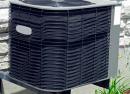
8. Have your AC inspected: AC units should be inspected every 2-3 years. Having this done will not only alert you of any problems that could be causing you to not get the most out of your air conditioner, but could also prevent small issues from turning into expensive repairs if they go untreated. If your AC is more than 12 years old, it may be time to consider getting a newer, more energy efficient AC unit. To read more, check out this article on replacing your AC.
9. Inspect and clean or replace your windows; repair holes in screens: Regular rain and snow over the winter can result in dirty windows, which sometimes go unnoticed due to a higher percentage of cloudy days. But with spring and sunshine coming, clean windows are a great way to give your home a fresh feel. Here is a great article on natural window cleaners and great window cleaning methods. Also, take this time to clean or replace your screens and repair any holes- when that first perfect spring day arrives, you want to be able to throw your windows wide open without worrying about unwanted insect guests! If you’ve been considering replacing any windows, this is also a good time to do so. According to Energy Star, replacing old windows with Energy Star certified windows can lower household bills by 7-15%, which is not an insignificant amount. Energy efficient windows reduce the heat that gets into your home from sunlight without reducing the visible light.
10. Plant a vegetable garden: We’ve all been there- summer is just beginning, our neighbors have beautiful blooming gardens, people are harvesting fresh garden produce, and you’re thinking, “Maybe next year I’ll remember to plant a garden!” The problem is, by the time you see other people’s gardens in full bloom, it’s usually too late. Break the cycle, and get started with your own garden now! What to plant and when depends on where you live, but now is the time to start planning. A little before the last average frost date where you live, you can start planting potatoes, broccoli, carrots, kale, cabbage and lettuce, and also herbs like dill and cilantro. After the last frost date has passed, you can plant things like tomatoes, peppers, squash, cucumbers, and basil.





0 comments on "10 Home Improvement Projects to Plan for Spring"